

Foot Care for Older People in Preston
Our feet carry us through thousands of steps every day, yet they are often one of the most overlooked parts of the body. As we get older, looking after them becomes increasingly important.
Changes to the skin, nails, joints and circulation can all affect foot comfort as we age. At the same time, reduced flexibility or mobility may make it harder to carry out simple tasks such as cutting toenails or checking the soles of the feet.
At West Strand Clinic in Preston, podiatry can help older people maintain comfortable feet and address problems that may otherwise affect walking and everyday independence.
How Our Feet Change with Age
Ageing affects every part of the body, and the feet are no exception.
The skin can become thinner and drier, while the natural cushioning beneath the feet may gradually reduce. This can make pressure points more noticeable and may increase discomfort when standing or walking for long periods.
Toenails can also change over time. They may become thicker, harder or more difficult to trim safely.
Joints can become stiffer and foot shape may alter, particularly in people who have spent many years on their feet.
None of these changes automatically mean there is a serious problem. However, they do make regular foot care more important.

Why Foot Problems Can Affect Everyday Life
A relatively small foot problem can have a much greater impact than people expect.
A painful corn, hard skin or troublesome toenail can make walking uncomfortable. In response, someone may begin changing the way they walk or avoiding certain activities.
This can have a knock on effect on everyday mobility.
Someone who usually enjoys walking to the shops, visiting friends or spending time outdoors may begin doing less because their feet are uncomfortable.
For older people in particular, maintaining mobility can be an important part of retaining independence.
Keeping the feet comfortable can therefore support much more than foot health alone.
Toenails Can Become Harder to Manage
Cutting toenails is something many people take for granted when they are younger.
As we age, reaching the feet can become more difficult. Reduced flexibility in the hips, knees or back can make it uncomfortable or even impossible to position the foot safely.
Vision may also become less sharp, making it harder to see exactly where the nail ends and the skin begins.
Toenails themselves can become thicker or more brittle, which may make ordinary nail clippers less effective.
Trying to manage difficult nails without being able to see or reach them properly can increase the chance of cuts or soreness.
Professional podiatry provides a safer option for people who are struggling to manage their own nails comfortably.
Hard Skin and Corns May Become More Noticeable
Hard skin develops in response to pressure and friction.
Over time, changes in footwear, posture and foot shape can cause pressure to build in certain areas.
This may result in thicker areas of skin, especially around the heels, balls of the feet or toes.
Corns may also develop where pressure becomes concentrated in a smaller area.
These problems can become painful if they are left untreated, particularly when wearing shoes or standing for extended periods.
A podiatrist can assess why the pressure is developing and provide appropriate foot care.
Reduced Flexibility Makes Foot Checks More Difficult
One of the biggest challenges with ageing is simply being able to see the whole foot.
Some people can easily look at the top of their feet but find it difficult to inspect the heel, sole or spaces between the toes.
This means minor changes may not always be noticed straight away.
Regular professional foot care gives older patients an opportunity to have their feet checked properly.
It can also provide reassurance if there is something they are unsure about.
Rather than waiting until discomfort becomes difficult to ignore, problems can often be discussed earlier.
Footwear Matters More Than Many People Realise
Shoes can have a major influence on comfort.
As the feet change shape with age, footwear that once fitted well may start to feel tight or uncomfortable.
Shoes that are too narrow can place additional pressure on the toes, while footwear that does not provide enough support may contribute to discomfort during walking.
Older people may also become more sensitive to rubbing or pressure because the skin can be more delicate.
Choosing footwear that fits correctly and provides enough space can help reduce unnecessary pressure.
A podiatrist can also offer advice if particular areas of the foot are repeatedly becoming sore.
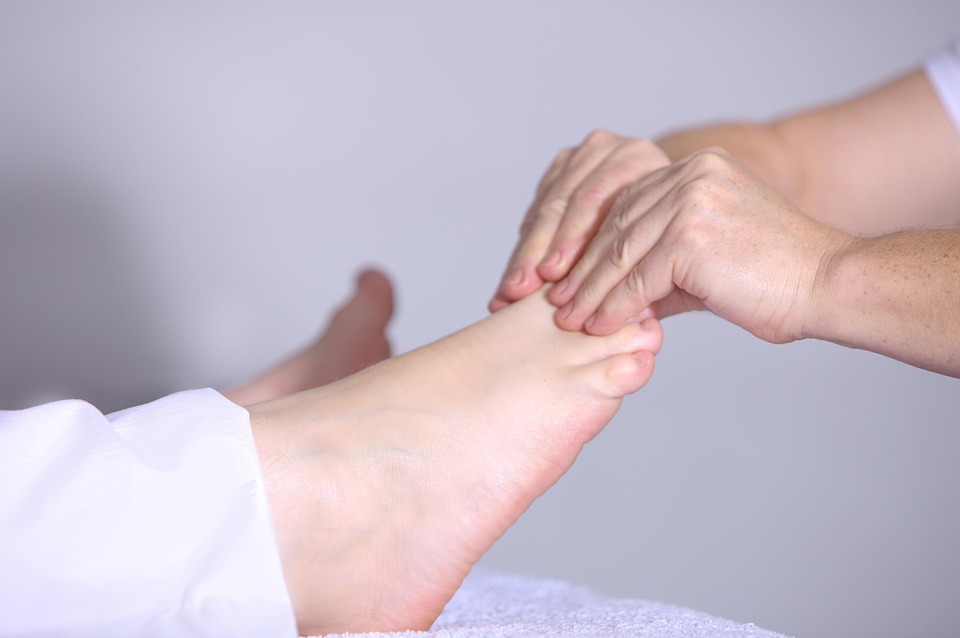
Regular Foot Care Can Support Mobility
Comfortable feet make walking easier.
That may sound obvious, but the effect can be significant.
When walking becomes uncomfortable, people naturally begin to avoid it. They may take fewer trips outside, spend more time sitting down or rely more heavily on other people.
Addressing foot discomfort can help remove one of the barriers to staying active.
Regular podiatry appointments can therefore form part of a wider approach to maintaining mobility and independence.
For some patients, this may involve ongoing routine foot care. For others, appointments may only be required when a specific problem develops.
When Should Older People Consider Seeing a Podiatrist?
There is no single age at which someone suddenly needs podiatry.
Instead, it is worth seeking professional advice when foot care becomes difficult or uncomfortable.
This may include persistent hard skin, corns, thickened nails, painful areas, changes in the appearance of the feet or increasing difficulty cutting toenails.
It may also be sensible to arrange an appointment if walking has become uncomfortable and the feet appear to be contributing to the problem.
Some people simply prefer regular professional foot care because they no longer feel confident managing their feet themselves.
Home Podiatry Visits Can Make Foot Care More Accessible
Travelling to a clinic may become more difficult with age.
Reduced mobility, lack of transport or reliance on family members can all make attending appointments more complicated.
West Strand Clinic can provide home podiatry visits in Preston for people who struggle to travel to the clinic.
This can be particularly useful for older patients who want to continue receiving regular foot care without the added difficulty of organising transport.
Home visits may also be suitable for people living in nursing or residential care environments.
Being able to access podiatry at home can make maintaining foot care much simpler.
Looking After Your Feet Between Appointments
Professional podiatry can be valuable, but everyday foot care also matters.
Feet should be kept clean and dry, while moisturising dry skin can help improve comfort. However, moisturiser should generally be avoided between the toes where excess moisture can cause problems.
Shoes should fit properly and should not rub or place excessive pressure on the toes.
It is also a good idea to check the feet regularly where possible.
Any changes that cause concern, particularly persistent pain, swelling or areas that are not healing as expected, should be assessed by an appropriate healthcare professional.
Foot Care for Older People in Preston
Getting older does not mean putting up with uncomfortable feet.
Many common age related foot problems can be managed with appropriate care, and regular podiatry can make everyday walking much more comfortable.
At West Strand Clinic in Preston, we provide professional podiatry services for patients who want support with their foot health.
Whether you are finding your toenails difficult to manage, experiencing hard skin or corns, or simply want professional help keeping your feet comfortable, podiatry can provide practical support.
For patients who struggle to travel, home and nursing home visits can also make professional foot care more accessible.
Looking after your feet is a simple but important part of maintaining comfort, mobility and independence as you get older.
Frequently Asked Questions
Why does foot care become more important as we get older?
Ageing can affect the skin, nails, joints and shape of the feet. Reduced flexibility can also make it harder to inspect or care for the feet properly.
How often should an older person see a podiatrist?
The frequency varies depending on individual needs. Some people benefit from regular appointments, while others may only need to attend when a particular problem develops.
Can a podiatrist help with thick toenails?
Yes. Thickened or difficult toenails are a common reason people seek podiatry care, particularly when they become hard to cut safely at home.
Can West Strand Clinic provide podiatry home visits in Preston?
Yes. Home podiatry visits are available for people who find travelling to the clinic difficult, including older people and those with reduced mobility.
Is foot pain a normal part of getting older? Foot discomfort may become more common with age, but persistent pain should not simply be ignored. A podiatrist can assess the feet and help identify possible causes.
Contact West Strand Clinic today, for a free consultation we are located within Total Fitness in Preston.


